Jordan Kasteler, aka Utah SEO Pro, has been avidly involved in Internet marketing and SEO since 2001. He is an independent consultant after serving such positions as:
*Senior SEO Manager at
*Online Marketing Strategist at
* SVP of Content Development and Managing Partner at BlueGlass Interactive, Inc., an industry leading agency in social media marketing and search engine optimization
* CMO of SteelCast; a tech incubator servicing several companies
* Co-founder of the Internet marketing agency Search & Social
* In-house SEO at Overstock.com
and more
While Jordan’s experience lends itself to the technical SEO, his primary focus is developing linkbait content and promoting it with social media.
Jordan received the Social Media Club’s , is a regular speaker at various Internet marketing conferences, published a , and is a regular contributor to , SearchEnginePeople, and .
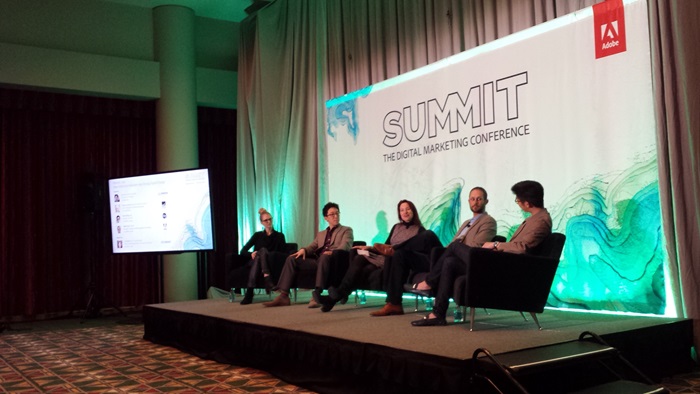
I recently had the opportunity to attend the conference in my hometown of Salt Lake City, Utah. Having spoken internationally at various conferences for years, it is amazing that I’ve never attended the Adobe Summit on my own turf. I was privileged to join more than 7,000 people from 44 countries, all congregated to spend the week with some of Digital Marketing’s brightest leaders.
Fortunately, I had expenses paid and the royal treatment, being selected as a “” to attend the conference and share my experience. Along with the five other selected Insiders, I spent the conference dining, attending sessions, skiing/snowboarding, and partying at some amazing events in the afterhours.
The wonderful gals organizing the Insider experience provided us with a custom playbook of which sessions would peak our interest, an itinerary of events, and even greeted us with thoughtful personalized gifts. Mine was a for men, as they knew I have a newborn at home.
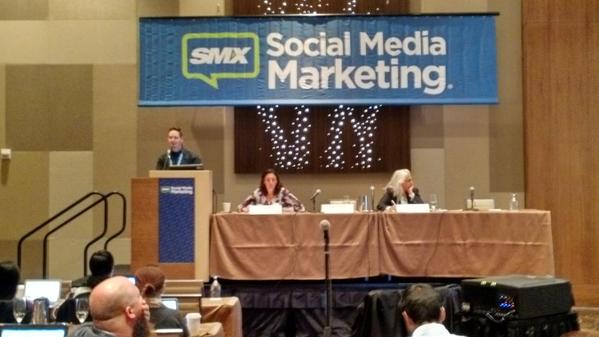
After being in Vegas for Pubcon last month, I came back again for SMX Social Media. I had the pleasure of speaking on a panel entitled Designing for Social Media with Portent’s .
When it comes to Internet marketing events, Pubcon is always a must. As usual, Pubcon Las Vegas 2014 was an amazing event! Each year, the conference offers incredible networking opportunities and content. While the conference may have started with just SEO’s, there’s something available for every marketer who attends.
Content Marketing Sessions
I had the pleasure of both moderating and speaking at the conference on content marketing panels with amazing folks. We discussed strategies and tactics for creating, promoting, and analyzing content marketing performance.
I was involved in two content marketing panels, including:
SEO and Content Marketing Relationships
Steve Floyd, Kate Morris, and Carolyn Shelby
Moderator: Jordan Kasteler
Content Strategy and Content Marketing
Jordan Kasteler (check out my ), Dan Sturdivant, and Pete Sheinbaum
Moderator: Selena Narayanasamy
from
U.S. Search Awards
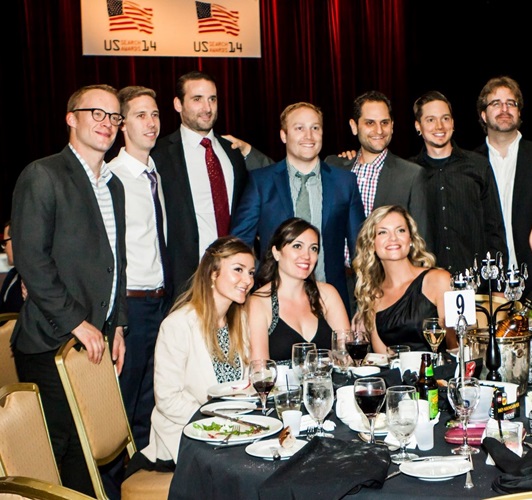
While this was the second year that Pubcon hosted the US Search Awards, it was my first year attending. The SEO tool company, , invited me to their table. Companies and individuals were featured as winners of 19 different search categories; I enjoyed seeing the key players who have been on their A-game this year.
Conference Takeaways
•UX (User Experience) and Marketing worlds are finally meeting and have a lot to learn from each other
•Google Hummingbird has changed how we create content for the better
•If you want to turn your customers into brand advocates, start with your employees
•Pre-planning conference sessions can be difficult when Google is always changing (for example, there was a planned session on Google Authorship, which was recently dropped by Google, and the speaker had to focus mainly on Google+, instead)
•Bring a suit for Vegas events, but not for the conference itself!
•Workday Training is a valuable opportunity for professionals to stay on top of the latest Google updates. As Google continues to change and evolve, pre-planning conference sessions can be a challenge.
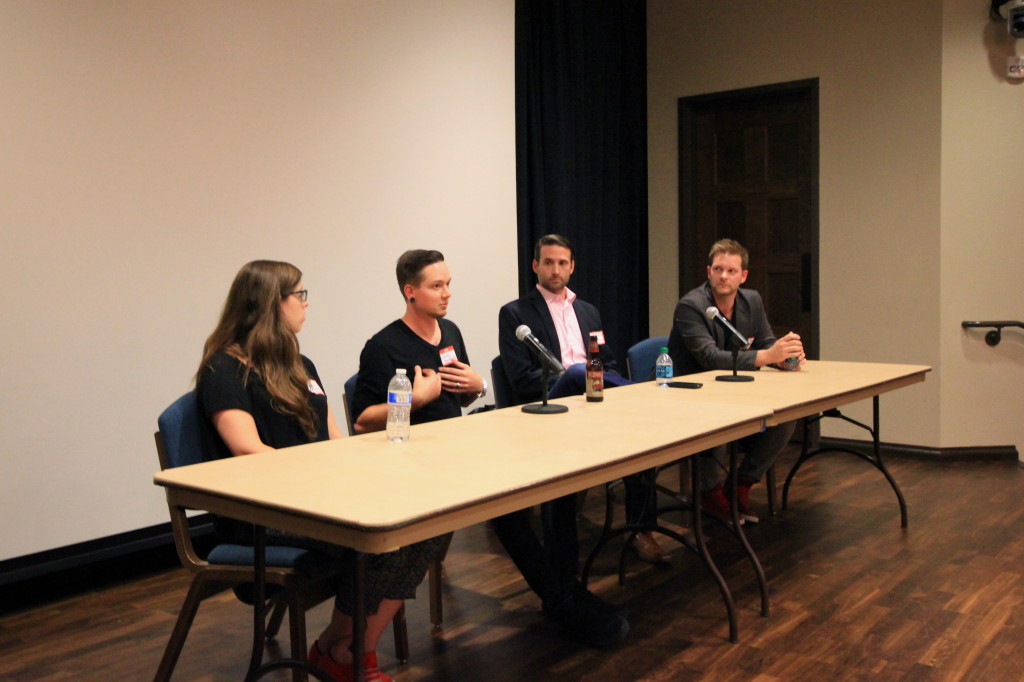
I’ve been busy recently traveling and speaking at a meetup and a conference. I had the pleasure of being on an , in San Diego, with bright minds from Razorfish, Distilled, and Linkdex. There were great discussions across various Internet Marketing topics and the crowd had really great questions.
After that I flew to San Francisco for client meetings and the BrightEdge Share 2014 conference. Since Google moved to secure search (via HTTPS) some time back I spoke about how SEOs have adjusted since. You can check out my presentation here:
Jordan Kasteler is a seasoned professional and an Internet Marketing consultant specializing in Search Engine Optimization (SEO) and Social Media Marketing. He also is an author, speaker, and .
Utah SEO Pro
GEO
3225 Green St, #CSalt Lake City,
UT84106-0000USA
Email:
Telephone801-520-0131
Categories:
Web Design,
Search Engine Optimization,
Marketing Consulting Services,
Search Engine Marketing